
The better option depends on what the patch will face: washing, sunlight, friction, chemicals, or constant bending.
Which type of patch lasts longer overall?
Embroidered patches typically last longer overall because the design is made from thread, not ink. That thread has depth and structure, so minor wear does not immediately ruin the look.
Printed patches can still be durable, but their lifespan is more sensitive to heat, UV exposure, and repeated washing. Once print starts to crack or fade, the patch can look “old” quickly even if the fabric base is still intact.
Why do embroidered patches tend to survive abrasion better?
Embroidered patches resist abrasion because the design is physically stitched into the surface. When a sleeve rubs against a bag strap or a work jacket brushes past rough surfaces, threads can fuzz slightly but the design often remains readable.
Printed designs sit on or within the top layer of the material. Under constant friction, ink can thin out, scratch, or lose sharp edges, especially on high-contact areas like cuffs, hips, and backpack straps.
Do printed patches fade faster in sunlight?
Yes, printed patches usually fade faster in sunlight, especially if they use dye-based inks or are not UV-stabilised. Prolonged exposure can wash out bright tones, and blacks can shift to grey over time.
Embroidered patches can also fade, but quality polyester threads tend to hold colour well. The main risk is not instant fading, but gradual dulling, which often looks less dramatic than print fading.”
How does washing affect embroidered vs printed patches?
Embroidered patches generally handle frequent washing better because thread does not “crack” the way ink can. They can still fray at edges or loosen if the stitch density is low, but the design itself is usually stable.
Printed patches are more variable. Some methods cope well with washing, but others can peel, craze, or lose colour if washed on hot, tumble-dried often, or exposed to harsh detergents.
Which printed patch methods last the longest?
Sublimation and high-quality screen printing are often the most durable printed options when done properly. Sublimation dyes the fabric fibres, so it can resist cracking and peeling, though it works best on polyester-based materials.
Screen printing can last well with the right ink and curing, but it can still wear on high-friction items. Lower-cost digital prints may look sharp at first, yet can fade or scratch sooner depending on the coating and ink set.
Does patch backing change how long it lasts?
Yes, backing can extend or reduce patch life because it affects flexibility and edge stress. Heat-seal backings are convenient, but repeated heat and wash cycles can weaken the bond, especially if they were not applied with the correct temperature and pressure.
Sew-on patches usually last longest because the attachment is mechanical. Hook-and-loop is durable but can curl edges over time and snag lint, which makes the patch look tired even if the artwork is fine.
Which lasts longer on workwear, uniforms, and outdoor gear?
Embroidered patches usually last longer on workwear and uniforms because they are built for abrasion and heavy use. They cope well with scrapes, repeated laundering, and day-to-day knocks.
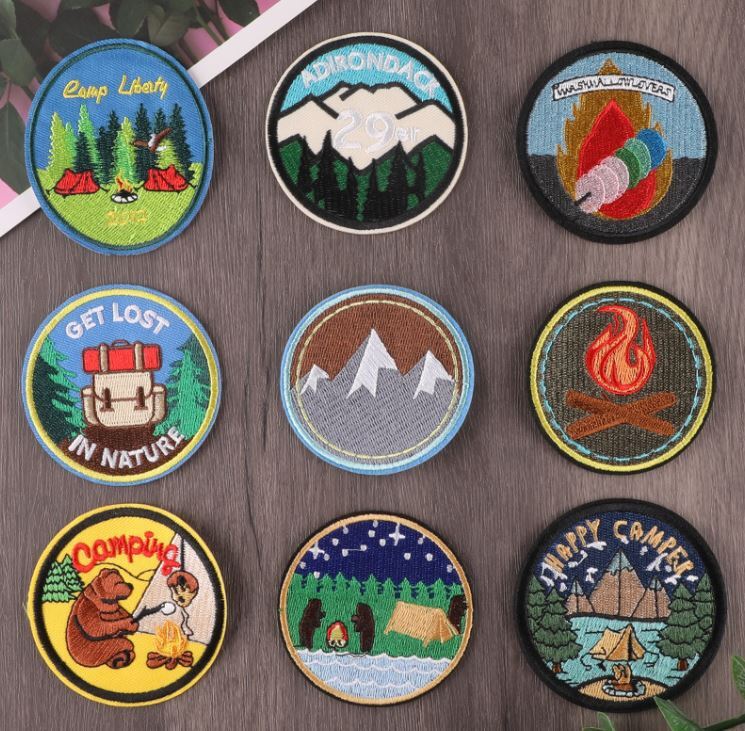
Printed patches can still be a good fit for outdoor gear if they are made with a tough base, strong edging, and a print method designed for UV and weather resistance. They are often chosen when fine detail is essential. See professional uniform shoulder decoration design ideas.
Which patch type holds detail better over time?
Printed patches hold fine detail better at the start, especially small text, gradients, or photo-like artwork. Over time, that advantage can shrink if the print fades or scratches, because detail relies on crisp ink edges.
Embroidered patches simplify detail because of thread thickness and stitch direction. However, that same stitched structure can stay legible for years, even after heavy use, because the design is not dependent on a pristine surface layer.
How do edges and borders affect longevity?
A merrowed edge can improve longevity because it reinforces the border and reduces fraying. It works best on thicker embroidered patches, where the raised edge sits securely.
Laser-cut or heat-cut edges on printed patches can be durable too, but their long-term performance depends on the base fabric. If the base starts to fray or delaminate, the edge can look rough quickly, even if the print still looks acceptable.
Which option should they pick if longevity is the priority?
If longevity is the priority, they should usually pick an embroidered patch with a sewn-on attachment and a reinforced edge. That combination is the most forgiving under friction, rough handling, and frequent washing.
If they need high detail and still want strong durability, they should choose a premium printed patch method like sublimation on a suitable fabric, paired with solid edging and conservative care. In practice, the longest-lasting patch is the one matched to the real conditions it will face.
FAQs (Frequently Asked Questions)
Which type of patch lasts longer overall, embroidered or printed?
Embroidered patches typically last longer overall because their designs are made from thread, which has depth and structure, making them more resistant to minor wear. Printed patches can also be durable but are more sensitive to heat, UV exposure, and repeated washing, which can cause the print to crack or fade.
Why do embroidered patches tend to survive abrasion better than printed patches?
Embroidered patches resist abrasion better because their designs are physically stitched into the fabric surface. This means that even with friction or rubbing against rough surfaces, the threads may fuzz slightly but the design remains readable. Printed designs sit on or within the top layer of material and can thin out, scratch, or lose sharpness under constant friction.
How does sunlight affect the longevity of embroidered versus printed patches?
Printed patches generally fade faster in sunlight, especially if dye-based inks are used or if they aren’t UV-stabilised. Prolonged exposure washes out bright colours and can turn blacks to grey. Embroidered patches made with quality polyester threads hold colour well and tend to dull gradually rather than fade dramatically.
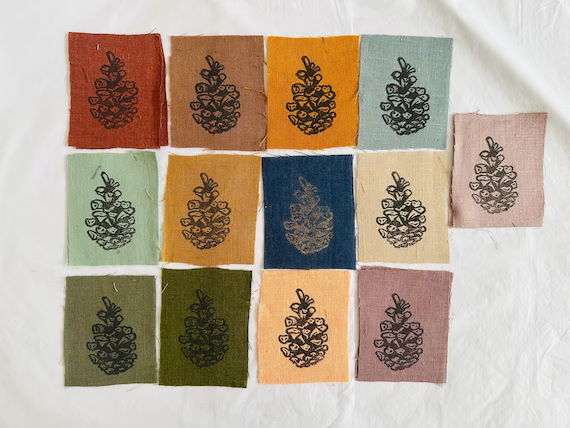
What impact does washing have on embroidered and printed patches?
Embroidered patches usually handle frequent washing well since thread doesn’t crack like ink. They might fray at edges or loosen if stitch density is low but maintain design stability. Printed patches vary; some withstand washing well, but others may peel, craze, or lose colour when washed hot, tumble-dried often, or exposed to harsh detergents.
Which printed patch methods offer the best durability?
Sublimation and high-quality screen printing are among the most durable printed patch methods. Sublimation dyes fabric fibres for resistance against cracking and peeling but works best on polyester materials. Screen printing lasts well with proper ink and curing but may wear on high-friction areas. Lower-cost digital prints often fade or scratch sooner.
What factors should be considered when choosing a patch type for longevity?
For maximum longevity, embroidered patches with sewn-on attachments and reinforced edges are ideal due to their resistance to friction, rough handling, and frequent washing. If fine detail is essential alongside durability, premium printed methods like sublimation on suitable fabrics with solid edging can be selected. Ultimately, matching the patch type to real-world conditions ensures the longest life.