
From epaulettes to shoulder boards, these details are not just ornamental. They are practical visual tools that shape how wearers are perceived and how quickly others can respond to them in real settings.
What counts as a shoulder decoration on a professional uniform?
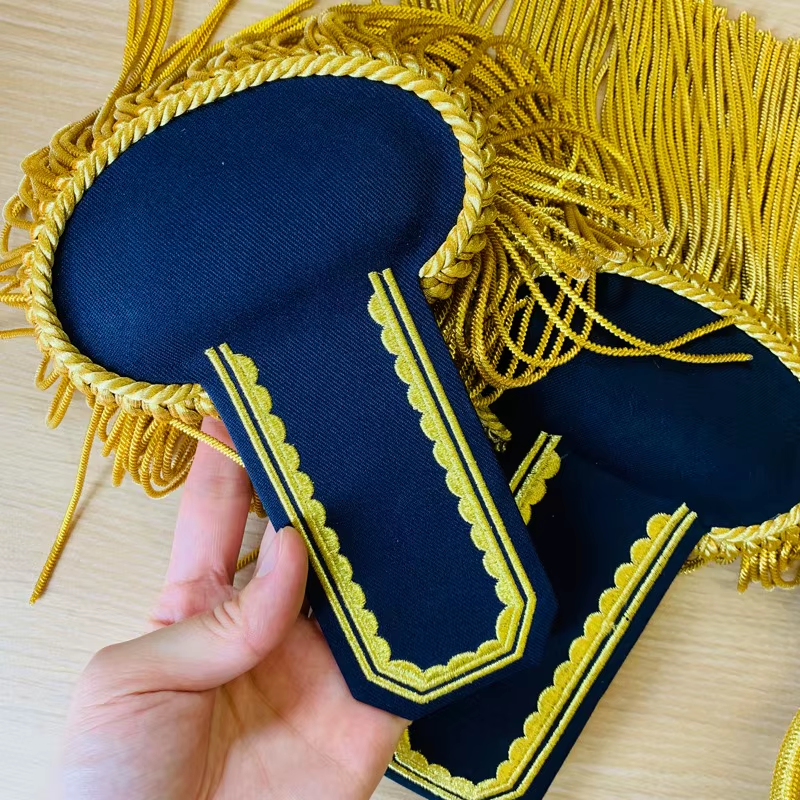
Shoulder Decorations Elevate a uniform by adding designed elements to the shoulder area that communicate identity or status. Common examples include epaulettes, shoulder boards, rank slides, braids, cords, tabs, and insignia.
They can be sewn in, clipped on, or slipped onto a shoulder strap. In many industries, these items are standardised so that meaning stays consistent across teams and locations.
Why do shoulder decorations make uniforms look more professional?
They make uniforms look more professional because they create clear lines, balance, and intentional design. The shoulder is a natural focal point, so details there quickly make a uniform appear more structured.
They also reduce ambiguity. When viewers can instantly read role or seniority, the whole uniform feels more purposeful rather than simply “matching clothing”.
How do shoulder decorations communicate rank and authority?
They communicate rank through consistent symbols such as stripes, pips, bars, crowns, or specific colours. Because shoulders are highly visible during face-to-face interaction, they work like quick visual signage.
This matters in time-sensitive environments. When people can identify who leads or who is qualified, decisions and compliance tend to happen faster and with fewer questions.
How do they improve recognition and coordination in teams?
They improve recognition by making roles distinguishable without needing introductions. In busy workplaces, that reduces friction and helps the right person be approached first.
They also support coordination during shift changes or multi-team operations. A quick glance at shoulders can confirm who is supervising, who is newly assigned, or who has specialist responsibility.
What psychological effect do shoulder details have on first impressions?
They influence first impressions by projecting competence, order, and control. People often associate clear insignia with training, standards, and accountability.
They can also increase perceived trust. When a uniform looks official and consistent, observers are more likely to believe the wearer represents an organisation that has clear rules and professional conduct.
How do shoulder decorations support brand identity and consistency?
They support brand identity by reinforcing colour palettes, materials, and styling that align with the organisation’s image. Even small details such as a specific braid colour can become recognisable over time.
They also help standardise appearance across locations. When shoulder elements are uniform, teams look aligned, which strengthens a brand’s presence in public-facing roles.
What practical factors should organisations consider before adding them?
Organisations should prioritise comfort, durability, and ease of maintenance. Shoulder pieces should not restrict movement, snag easily, or create pressure points during long shifts.
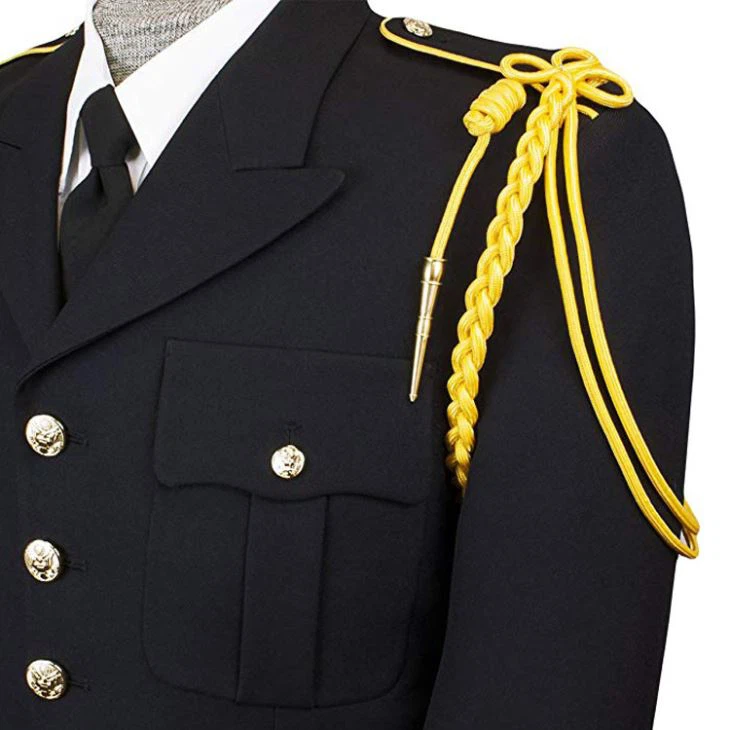
They should also consider cleaning requirements and replacement speed. Decorations that can be swapped quickly, such as slides or clip-on elements, often reduce downtime and keep presentation consistent. See embroidered vs printed patches which lasts longer.
How can shoulder decorations be used without looking overly ornate?
They can be kept professional by limiting colours, choosing consistent placement, and using a restrained design language. Simple stripes, minimal insignia, and matte finishes often read as modern and serious.
The goal is clarity, not spectacle. When the meaning is instantly readable and the styling matches the uniform’s purpose, the decoration looks authoritative rather than theatrical.
What is the safest way to choose the right shoulder decoration for a uniform?
The safest approach is to start with function, then refine the look. They should define what needs to be communicated, such as rank levels, departments, or certifications, and then select a system that scales.
They should also test wearability in real conditions. A short pilot with feedback from wearers often reveals whether the decoration improves professionalism without creating distraction or discomfort.
FAQs (Frequently Asked Questions)
What counts as a shoulder decoration on a professional uniform?
A shoulder decoration is any designed element placed on the shoulder area to communicate identity or status. Common examples include epaulettes, shoulder boards, rank slides, braids, cords, tabs, and insignia. These can be sewn in, clipped on, or slipped onto a shoulder strap. Many industries standardise these items to ensure consistent meaning across teams and locations.
Why do shoulder decorations make uniforms look more professional?
Shoulder decorations create clear lines, balance, and intentional design that enhance the uniform’s structure. Since the shoulder is a natural focal point, details there quickly make a uniform appear more polished and purposeful. They reduce ambiguity by allowing instant recognition of role or seniority, making the entire uniform feel coordinated rather than just matching clothing.
How do shoulder decorations communicate rank and authority effectively?
They use consistent symbols such as stripes, pips, bars, crowns, or specific colours to indicate rank. Positioned on highly visible shoulders during face-to-face interactions, these decorations act as quick visual signage. This clarity is crucial in time-sensitive environments where identifying leaders or qualified personnel helps decisions and compliance happen faster with fewer questions.
In what ways do shoulder decorations improve team recognition and coordination?
Shoulder decorations make roles distinguishable without needing verbal introductions, reducing friction in busy workplaces by guiding people to approach the right person first. They also aid coordination during shift changes or multi-team operations by enabling quick identification of supervisors, new assignments, or specialist responsibilities through a simple glance at the shoulders.
What psychological effects do shoulder details have on first impressions?
Shoulder details project competence, order, and control by associating clear insignia with training, standards, and accountability. They increase perceived trust as an official and consistent uniform signals that the wearer represents an organisation with clear rules and professional conduct. This positive impression fosters confidence in both individuals and teams.
How can organisations choose the right shoulder decoration without compromising comfort or professionalism?
Organisations should prioritise comfort, durability, and ease of maintenance by selecting decorations that do not restrict movement or cause discomfort during long shifts. Practical options like clip-on or slide-in elements reduce downtime for cleaning or replacement. To maintain professionalism without looking overly ornate, designs should be restrained with limited colours and consistent placement focusing on clarity rather than spectacle.